Mind Games: How Strategic Thinking Improves Decision Making in Board Games
Exploring the Benefits of Board Games in Developing Strategic Skills
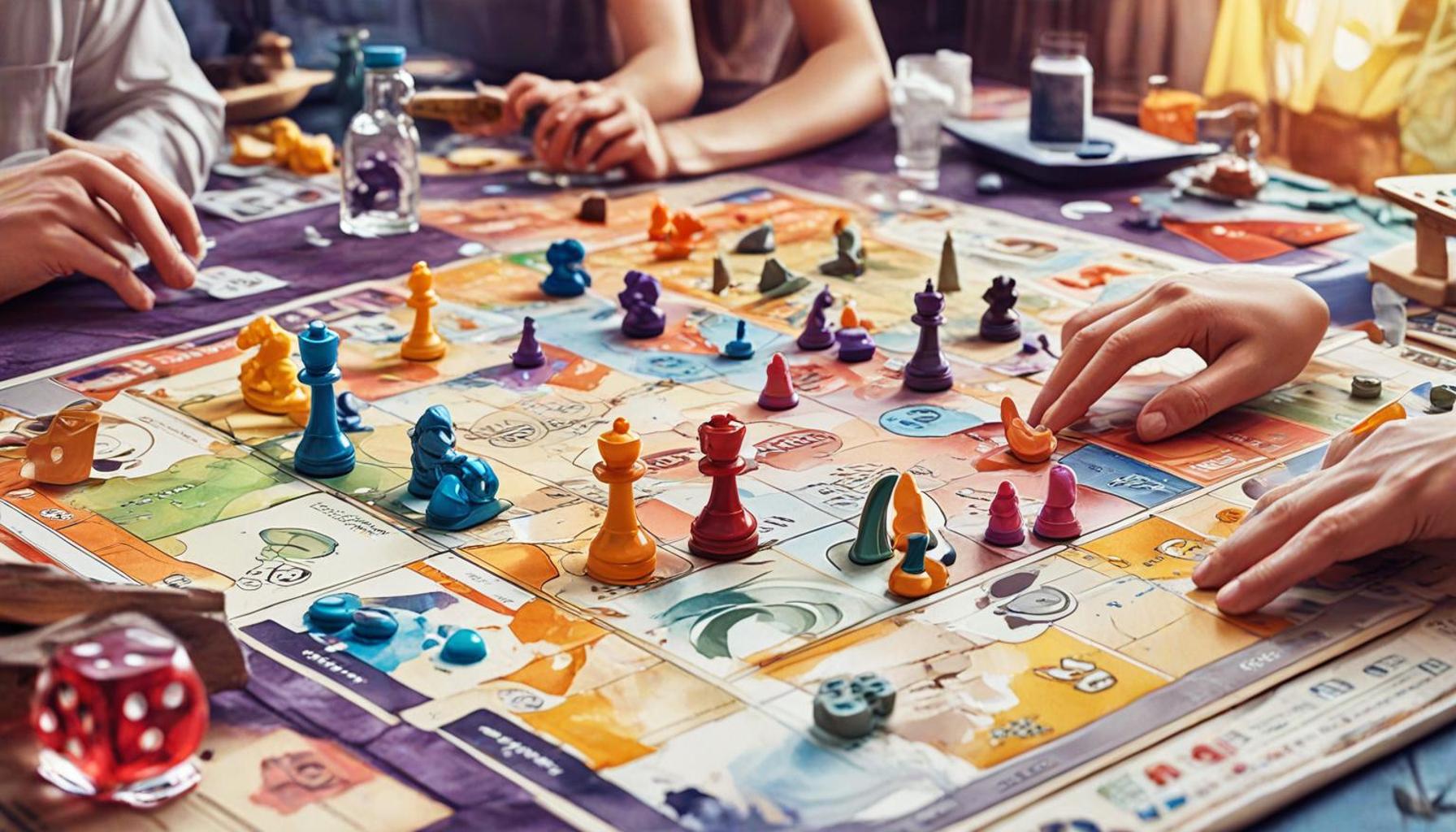
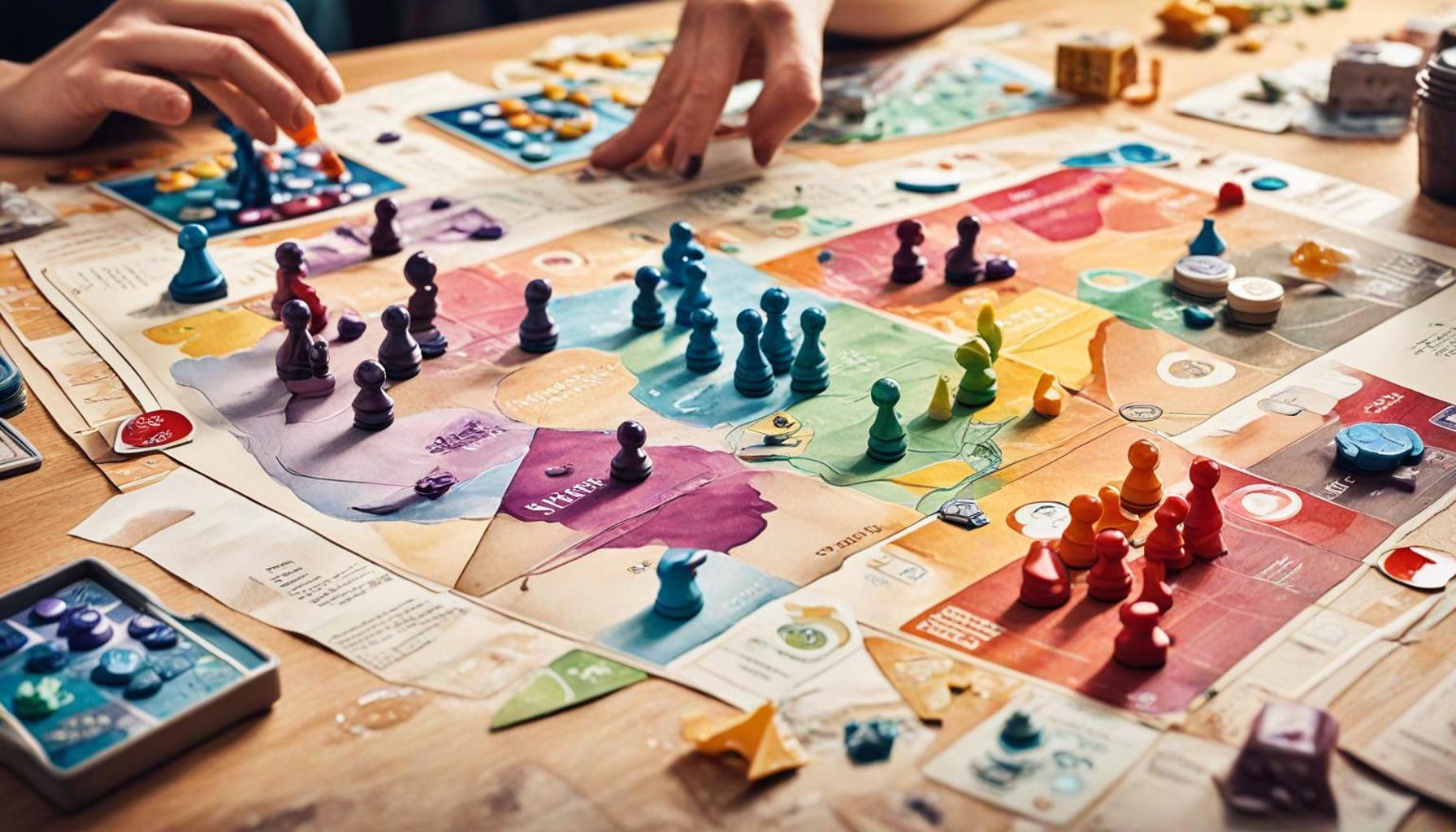
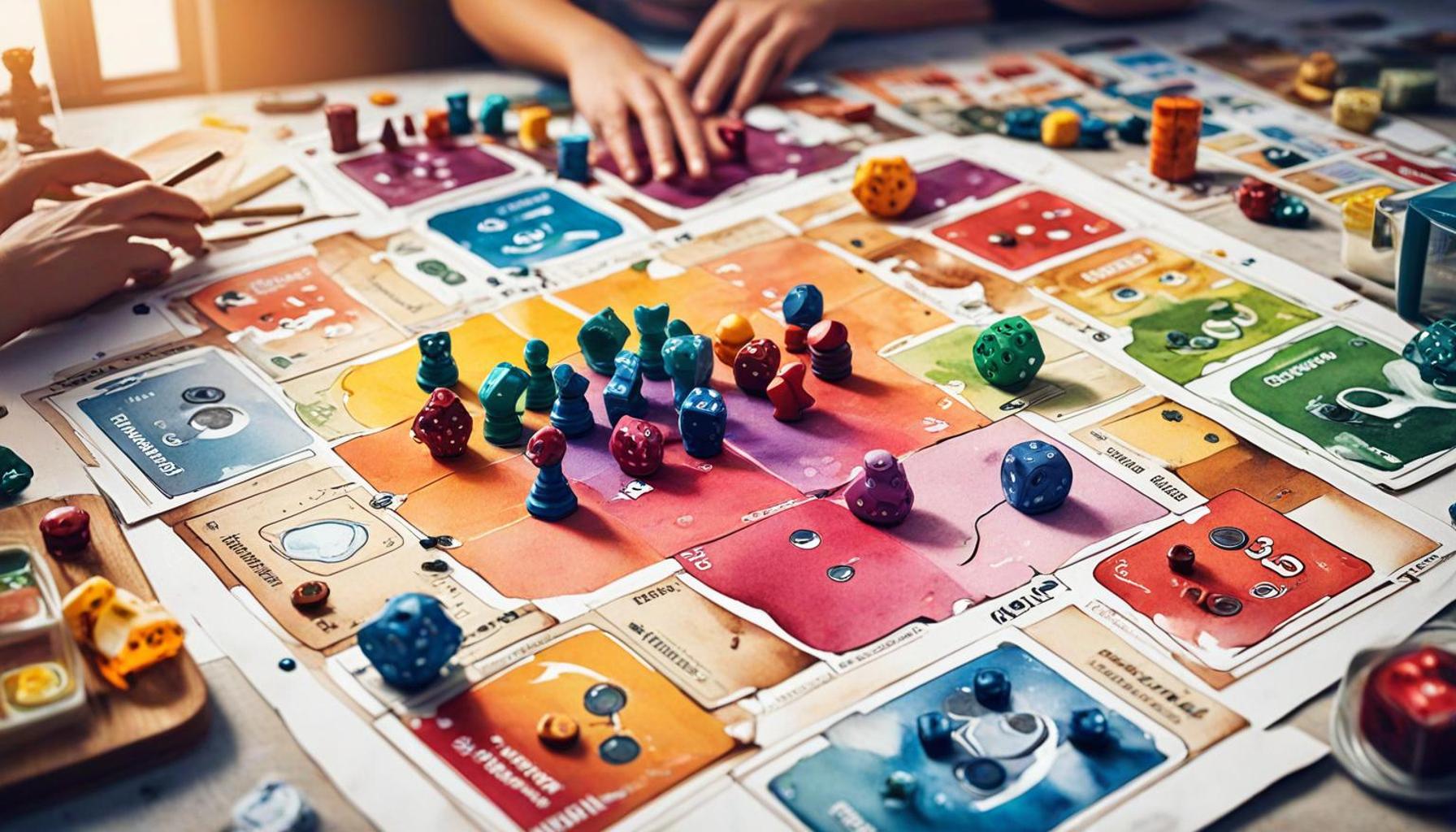
Board games have long been a source of entertainment and competition, but they offer much more than just an enjoyable pastime. They serve as an incredible platform for enhancing strategic thinking and improving decision-making abilities. In Nigeria, traditional games like ludu and wari not only entertain but also sharpen players’ mental acuity. These games have been played for generations, often passed down through families and communities, becoming a significant aspect of cultural heritage. The rules and strategies involved require players to think several steps ahead, an important component of strategic planning. Moreover, the rise of modern board games introduces players to complex scenarios and varied mechanics, presenting unique opportunities for those looking to hone their critical thinking and problem-solving skills. Consider popular games like Catan or Codenames; these require players to negotiate, trade, and strategize under changing game conditions, mirroring challenges encountered in real life.
Key Benefits of Playing Board Games
- Improved Analytical Skills: Through gameplay, participants are often tasked with analyzing potential moves and outcomes, which encourages a methodical approach to decision-making. For instance, when playing chess, players must evaluate their opponent’s position and anticipate future moves, fostering a deeper understanding of cause and effect.
- Enhanced Social Interaction: Board games create opportunities for engaging discussions and collaboration. Playing games like Monopoly or Risk requires players to work together and understand social dynamics, reinforcing skills in teamwork and negotiation, crucial for both personal and professional success.
- Better Risk Management: Understanding the consequences of decisions becomes evident in game mechanics. Games such as The Game of Life allow players to experience the repercussions of their choices, thereby instilling a sense of responsibility and foresight that can translate into everyday life scenarios.
Through the lens of strategic board games, players can explore various scenarios, leading to important lessons that transcend the gaming table. Skills acquired in a competitive match or a friendly game night can empower individuals to make more effective decisions in everyday life, whether in the workplace or during personal interactions. As we delve deeper, we uncover how these mind games shape our thinking and build a pathway to improved judgment both in personal and professional realms. The interactive nature of board games combined with their strategic elements makes them a vital tool in nurturing future leaders and critical thinkers in Nigeria and beyond.
YOU MAY ALSO LIKE: Read read another article
The Cognitive Development Benefits of Board Games
Engaging in board games not only prompts laughter and friendly rivalry but also plays a significant role in enhancing cognitive skills. In Nigeria, traditional games like dammy and ayo challenge players to think critically and strategically plan their moves, fostering a rich environment for cognitive growth. The ability to navigate through problems and anticipate competitors’ actions is a powerful asset, translating seamlessly into everyday decision-making processes. This connection is especially relevant in a culture that values strategic thinking and communal interaction.
One of the striking aspects of board games is their capacity to cultivate a deeper understanding of strategic planning. Each game presents its own unique set of challenges, often compelling players to adapt their strategies in response to evolving game dynamics. For instance, in a game of chess, players are required to think several steps ahead, weighing potential consequences of each move. This is reminiscent of strategic decisions in business or personal life, where the ability to pivot based on new information is crucial to achieving success. The mastery of these strategies can be a gateway to understanding larger concepts of project management or team leadership.
Practical Skills Gained Through Gameplay
- Critical Thinking: Board games encourage players to assess various outcomes based on current situations, fostering critical thinking skills. As participants weigh their options, such as choosing between an aggressive versus a defensive strategy, they develop the capacity to foresee the potential effects of their choices. Games like Settlers of Catan push players to negotiate trade-offs and strategize based on unpredictable elements, a skill that is highly applicable in real-world scenarios.
- Problem-Solving Ability: Games often present obstacles that require innovative solutions. For instance, when playing Scrabble, players must continually strategize on how to maximize their points while countering their opponent’s moves, which sharpens their problem-solving skills. This fosters a mindset that is ready to tackle complex issues, whether in academic settings or professional environments.
- Emotional Intelligence: Understanding fellow players’ motivations and emotional cues is key to succeeding in games like Bluff, where deception and bluffing are essential components. This aspect enhances players’ emotional intelligence, allowing for better interpersonal interactions both on and off the board. As players navigate moods and intentions, they build skills that are invaluable in diverse social situations.
The implications of these skills stretch far beyond mere game nights. The cognitive enhancements prompted by board games empower players to approach real-life decisions with a more analytical and strategic mindset. Beyond intellectual engagement, they cultivate a sense of patience and resilience in the face of setbacks, which become evident when a well-laid plan goes awry during gameplay. These attributes can profoundly influence personal relationships and workplace dynamics.
As we examine the profound impact of board games on strategic thinking, it becomes clear that they are not merely a fun way to pass the time but vital tools for personal development. In an era dominated by quick fixes and instant gratification, the discipline learned from the deliberate turns taken in board games can lay the foundation for making thoughtful and informed choices in everyday life. The lessons learned at the game table resonate, encouraging players to embrace complexity and uncertainty with confidence and clarity.
| Category | Description |
|---|---|
| Cognitive Skill Enhancement | Board games stimulate critical thinking and problem-solving skills that can improve overall decision-making. |
| Social Interaction Development | Engaging in board games fosters teamwork, builds communication skills, and enhances social dynamics among players. |
| Risk Assessment | Players learn how to evaluate potential outcomes and adapt strategies accordingly, mirroring real-world decision-making. |
| Emotional Regulation | Participation in board games teaches players to manage frustration and excitement, crucial for rational decision-making under pressure. |
Board games serve as a remarkable platform for mastering strategic thinking, promoting a plethora of cognitive benefits. Engaging with such games sharpens players’ mental acuity, equipping them with the skills necessary to analyze various scenarios and make informed decisions. This process allows individuals to embrace uncertainty and develop an analytical mindset—a key trait for success both in gaming and real-world situations.Additionally, the interactive nature of board games cultivates valuable social skills. Players navigate complex social dynamics, enhancing their abilities to communicate effectively and collaborate with others. This environment not only fosters partnerships but also provides a foundation for conflict resolution.Furthermore, the concept of risk assessment is crucial in strategic gameplay. As players weigh their options, they learn to anticipate consequences, a skill that is directly transferable to business and personal life decision-making. Overall, these games shape a well-rounded thinker who is capable of thriving in various environments. By delving deeper into the realm of board games, one can uncover a treasure trove of insights related to strategic decision-making.
RECOMMENDED: Check out this similar article
The Social Dynamics of Board Games
Beyond cognitive benefits, engaging in board games intricately weaves a tapestry of social interactions that further enhance strategic thinking and decision-making. The shared experience of playing board games fosters connections among participants, creating an atmosphere where communication and teamwork become vital elements. In Nigeria, where communities often gather for social events, games like ludu and chess serve as central activities that not only entertain but also facilitate valuable social learning.
As players navigate the challenges posed by their opponents, they develop crucial interpersonal skills. For instance, in a multiplayer game scenario, participants must continuously assess both their own strategies and the intentions of fellow players. This constant monitoring requires active listening and effective communication, informing players about when to cooperate and when to compete. This nuanced understanding of social cues can increasingly lead to better negotiation skills and conflict resolution, not only within the realm of play but also in personal and professional interactions.
The Role of Competition and Collaboration
- Competitive Edge: Games like Monopoly reveal the importance of competition in refining one’s decision-making skills. Players must evaluate risks and rewards, balancing aggressive strategies against passive ones. Nigeria’s rich market of informal businesses and startups makes this skill especially pertinent, as entrepreneurs often find themselves navigating a competitive landscape that requires strategic foresight and adaptive thinking.
- Collaborative Strategies: In many cooperative board games, such as Forbidden Island or Pandemic, players must work together towards a common goal, developing an understanding of each other’s strengths and weaknesses. In these scenarios, the strategy lies in collaboration, a skill that translates beautifully into workplace settings where teamwork and shared vision are paramount for success.
- Negotiation Skills: Some board games, like Diplomacy, harness negotiation as a core mechanic, demanding players actively engage in conversations that analyze alliances and manage betrayals. In a country such as Nigeria, where the art of negotiation is pervasive in business and culture, these games offer a simulated environment for honing this essential social skill.
The social dynamics of board games serve as a practical laboratory for players to experiment with various strategies while obtaining immediate feedback from the gameplay environment. This immersive experience allows for trial and error—ickey tactics can be revised while successful strategies are celebrated, cementing knowledge and skills that echo into daily life.
As players collaborate and compete, they develop a profound awareness of the consequences of their decisions, fostering a sense of accountability. The thrill of each move, twist, and turn in a game builds resilience; it conditions players to remain composed under pressure, enabling them to approach similar high-stakes situations outside the game with confidence and a clear mind.
In a world constantly shifting and evolving, especially within the Nigerian economy characterized by rapid growth and change, the skills developed through board games possess transformative potential. By cultivating social intelligence alongside strategic thinking, board games prepare players for the multifaceted challenges of life, ensuring they are better equipped to navigate both personal and communal futures with insight and foresight.
CHECK OUT: Click here to explore more
Conclusion
In the realm of board games, the intertwining of strategic thinking and decision-making transcends mere entertainment, evolving into a powerful training ground for life’s challenges. As highlighted throughout this exploration, games such as Monopoly and Pandemic not only sharpen cognitive skills but also elevate interpersonal abilities crucial for navigating Nigeria’s dynamic social and economic landscape. These games embody a microcosm where competition and cooperation coexist, teaching players to assess risks, negotiate alliances, and engage in collective efforts towards achieving common goals.
Moreover, the social dimensions of board games contribute significantly to personal growth. With each move, players cultivate resilience and accountability, preparing them to handle high-pressure decisions beyond the gaming table. The ability to read social cues and adapt one’s strategy is a vital skill, especially in the multifaceted world of entrepreneurship and community engagement in Nigeria.
As communities continue to gather with board games in hand, it becomes evident that the lessons learned extend far beyond the gameplay. They pave the way for improved problem-solving capabilities and enhanced relationships across various aspects of life. Embracing the mind games of strategic board games not only enriches the present moment but also equips players with lifelong skills, ensuring they approach future challenges with a sense of confidence and clarity.
In conclusion, whether gathered around a table with friends or competing in a local tournament, every game played is an opportunity for growth and development. The insights gained through these engaging activities unlock pathways to successful decision-making, making board games not just pastime activities but vital tools in shaping a brighter, more strategic future.