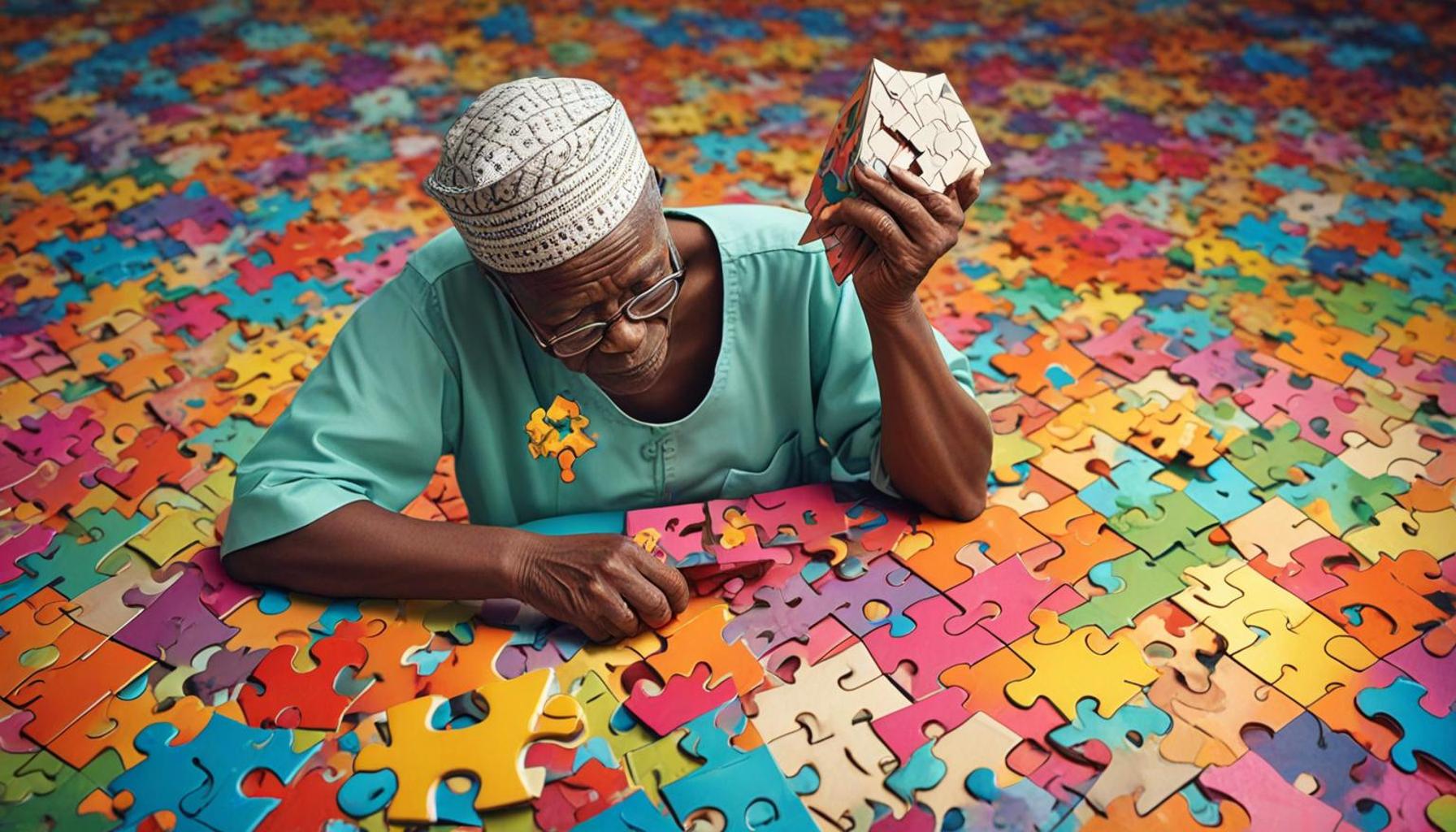
The Influence of Board Games on Memory Improvement and Socialization
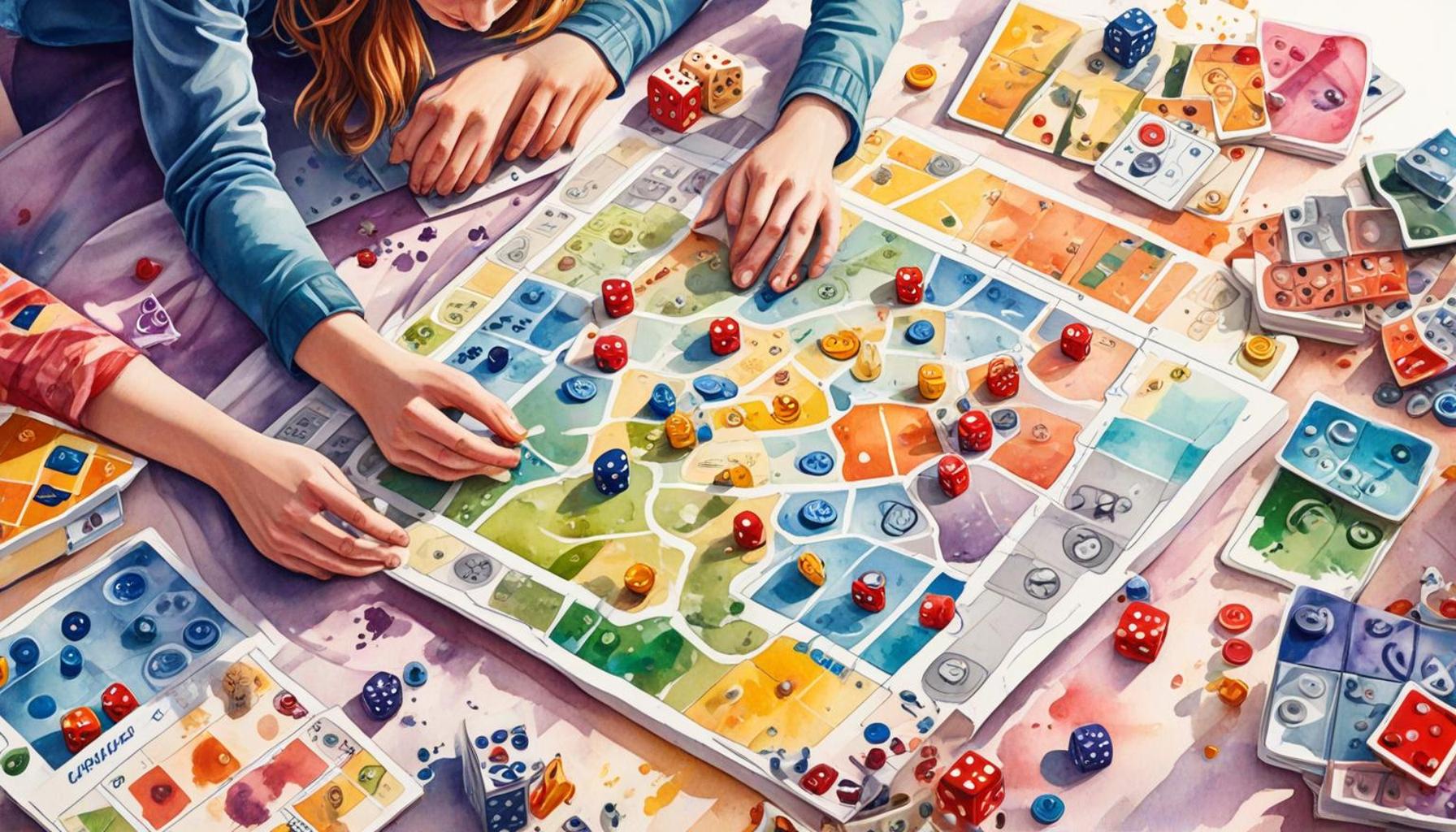
The Impact of Board Games on Cognitive and Social Development
In today’s fast-paced digital world, board games stand out as a classic means of entertainment that brings people together. They offer an intriguing combination of mental challenge and social interaction that is often overlooked. With a simple roll of dice or a strategic card play, players can embark on an exciting journey of competition and camaraderie that is vital for personal connection.
Research highlights the benefits of board games in several key areas, demonstrating that their appeal extends far beyond mere fun:
- Memory Improvement – Engaging in games that require strategic gameplay can significantly enhance cognitive function. For instance, games like Chess necessitate remembering various moves and strategies, which can sharpen a player’s memory capabilities and even boost their performance in academic and professional pursuits.
- Socialization – Board games foster communication and teamwork among players, creating a dynamic social environment. Games such as Dixit or Jenga encourage interaction, dialogue, and sometimes even negotiation, enabling players to develop vital social skills in a fun and relaxed atmosphere.
- Critical Thinking – Many modern board games involve multifaceted decision-making that can enhance problem-solving skills. For example, in Catan, players navigate resource management and alliances to achieve success, compelling them to think critically about their choices and the possible reactions from others.
In Nigeria, traditional games like Ludu and Whot have long provided avenues for bonding among friends and family. These activities serve not just as entertainment but are also rich in cultural significance, allowing players to connect with their heritage. Participants often recall past experiences and strategize based on previous games, which strengthens their memories while enjoying the process.
Moreover, the rise of modern board games, such as Ticket to Ride and Carcassonne, demonstrates that this trend isn’t fading but evolving into a global phenomenon. Workshops and board game cafes are increasingly popular in urban areas, creating opportunities for Nigerians to engage with others, both locally and worldwide. This growth presents an exciting intersection of traditional play and contemporary mechanics, inspiring a newfound appreciation for strategy and social interaction.
As we delve deeper into this topic, it becomes clear that the influence of board games on memory improvement and socialization is profound and multifaceted. By understanding these dynamics, individuals can discover the potential benefits that board games can offer in terms of cognitive development and social connection. Whether gathering around a table with friends or engaging in competitive play with family, the world of board games unfolds a rich tapestry of opportunities for learning, laughter, and lasting relationships.
CHECK OUT: Click here to explore more
Unpacking Memory Enhancement Through Board Games
The cognitive benefits of board games, particularly in terms of memory improvement, cannot be overstated. When players immerse themselves in games that demand concentration and strategy, they engage multiple facets of cognitive function, significantly enhancing their memory skills over time. Games like Scrabble or Connect Four not only require players to remember the rules but also encourage them to retain and recall information throughout gameplay. This dual engagement of mental faculties results in an enjoyable yet effective workout for the brain.
Previous studies have shown that regular participation in memory-intensive games correlates with improved memory retention and recall abilities. For individuals of all ages, the mechanics of strategic board gaming activate neural networks responsible for memory processing. Players must think critically and retain various information related to their progress, the state of the game, and opponents’ strategies. This dynamic creates a stimulating environment where memory is put to the test, leading to potential long-term benefits.
Furthermore, engaging in board games at community centers and social events can provide a unique avenue for practicing memory skills in a group setting. In Nigeria, traditional games like Oware and Damii offer additional cognitive functions that strengthen both memory and social connections, as players recount strategies and share stories from past experiences. This aspect of communal play fosters not just cognitive growth, but also a deeper understanding of cultural narratives and interpersonal dynamics.
The Role of Socialization in Board Games
In addition to enhancing memory, board games play an invaluable role in fostering socialization among players. Engaging in a board game involves communication, teamwork, and sometimes negotiation, skills essential for navigating social situations effectively. Games like Codenames or Pandemic require players to work collaboratively, enhancing camaraderie and teamwork while navigating complex interactions.
The presence of multiplayer dynamics cultivates a sense of belonging that surpasses mere gameplay. Participants often engage in lively discussions, share laughter, and exchange strategies, leading to stronger interpersonal relationships. As players bond over victories and defeats, they internalize social cues and emotional intelligence, essential attributes for developing robust social networks. This is particularly significant in Nigeria, where hospitality and communal activities hold great cultural significance.
- Communication Skills – Board games necessitate open dialogue, helping players articulate ideas and opinions effectively.
- Emotional Resilience – Coping with wins and losses teaches players emotional balance and resilience.
- Confidence Building – Successful gameplay can enhance self-esteem, encouraging players to engage more actively in social settings.
As we explore these elements, it becomes clear that the influence of board games reaches far beyond mere entertainment, enriching players’ cognitive and social life in profound ways.
The Influence of Board Games on Memory Improvement and Socialization
Board games have long been a source of entertainment, but their advantages extend far beyond just fun and engagement. Recent studies have shed light on how these games significantly enhance cognitive functions, particularly memory improvement and social skills. When players engage in board games, they are not only strategizing and making decisions but also recalling information and interacting with others in a dynamic environment.
| Memory Enhancement | Social Interaction |
|---|---|
| Cognitive Stimulation | Building Relationships |
| Improves recall and retention through repeated gameplay. | Encourages teamwork and communication among players. |
The strategic nature of many board games often requires players to analyze situations and remember previous moves, thus enhancing cognitive functions over time. Furthermore, the social aspect of board gaming promotes long-lasting friendships and helps individuals develop essential life skills such as conflict resolution, empathy, and effective communication. By engaging in these interactive experiences, players discover new ways to connect with others, further enriching their social lives.
With a diverse range of themes and game mechanics, board games serve as an excellent tool for improving memory and fostering social connections. Whether it’s a classic game of chess or a modern cooperative board game, the invaluable lessons learned through play have a profound impact on both the individual and the community.
YOU MAY ALSO LIKE: Read read another article
The Impact of Strategic Thinking in Board Games
Beyond memory enhancement and socialization, board games serve as a powerful platform for developing strategic thinking abilities. Players are often thrust into scenarios that require them to analyze various factors, predict outcomes, and make decisions that can alter the trajectory of gameplay. This complexity encourages individuals to cultivate critical analysis skills, which are transferable to real-world situations. In Nigeria, traditional games such as Ajede challenge players to think several moves ahead, mirroring situations encountered in daily life where foresight is crucial.
The importance of strategic thinking extends into fields like academics and professional careers, where problem-solving skills are paramount. Continuous engagement with board games allows players to sharpen their ability to devise tactics while considering potential risks and rewards. This level of cognitive flexibility not only sharpens memory in recalling various game strategies, but it also broadens one’s capacity to navigate everyday challenges more effectively.
Building Community through Competitive Play
Another compelling aspect of board games is their role as a catalyst for community-building. In Nigeria, family gatherings and local meet-ups often feature board games, creating an environment ripe for interaction. Players unite to compete, resulting in lively discussions and emotional exchanges that reinforce relationships. Games like Ludu and Draft are not only entertaining but also serve as a medium through which community ties are strengthened. The shared experience of competition fosters a sense of unity, creating bonds that extend beyond the game.
Moreover, the inclusive nature of board games allows for intergenerational play, enabling elder family members to impart wisdom and strategies to younger participants. This transfer of knowledge enhances familial relationships and preserves cultural heritage, which is particularly valuable in a diverse nation like Nigeria. The narratives and history attached to traditional games often serve as conversation starters, prompting dialogues that instill cultural pride and communal identity among the players.
- Innovation and Adaptability – The experience gained from strategizing in games prepares players to approach real-world problems with an open mind and inventive solutions.
- Conflict Resolution – Competitive play encourages players to navigate disputes fairly, promoting skills in negotiation and diplomacy.
- Active Participation – Inviting both young and old to partake in board games fosters a more engaged community, essential for social cohesion.
Ultimately, the influence of board games transcends beyond mere enjoyment, becoming an invaluable resource for enhancing memory, nurturing emotional connections, and instilling critical life skills. As communities continue to embrace the tradition of board gaming, they unlock a treasure trove of benefits, enriching the cognitive and social tapestry of society.
ADDITIONAL INSIGHTS: Expand your understanding here
Conclusion: The Lasting Impact of Board Games on Memory and Community
In summary, the influence of board games on memory improvement and socialization extends far beyond simple entertainment. These timeless activities play a pivotal role in enhancing cognitive functions such as memory retention, problem-solving, and critical thinking. As individuals engage with games like Ludu and Draft, they not only sharpen their intellectual faculties but also cultivate a sense of community and belonging that transcends age and background.
The importance of board games as a tool for promoting social interaction cannot be overstated. Engaging in competitive play fosters lively discussions, enriches familial bonds, and enhances cultural heritage. The shared experiences tied to these games motivate individuals to connect on a deeper level, reinforcing the idea that community engagement is essential for societal cohesion. In a diverse nation like Nigeria, traditional games serve as a marvelous means for intergenerational knowledge transfer, bridging gaps between the young and the elderly while nurturing a collective identity.
Moreover, the strategic elements inherent in board games prepare players to navigate real-life challenges more effectively, enhancing their adaptability and conflict resolution skills. With an increasingly fast-paced world, the cognitive benefits gained from regular game play are an asset that individuals can leverage in their academic and professional lives. Therefore, as more Nigerians rediscover and embrace the joy of board gaming, they unlock the potential to amplify not just personal growth, but also the community spirit that unites us all.
Ultimately, board games embody a rich blend of fun and functionality, making them invaluable tools for memory enhancement and fostering social ties. The legacy of these games is not merely in the rules they dictate but in the relationships they build and the minds they shape.